
Why Choose a Silver Jewelry Manufacturing Company?
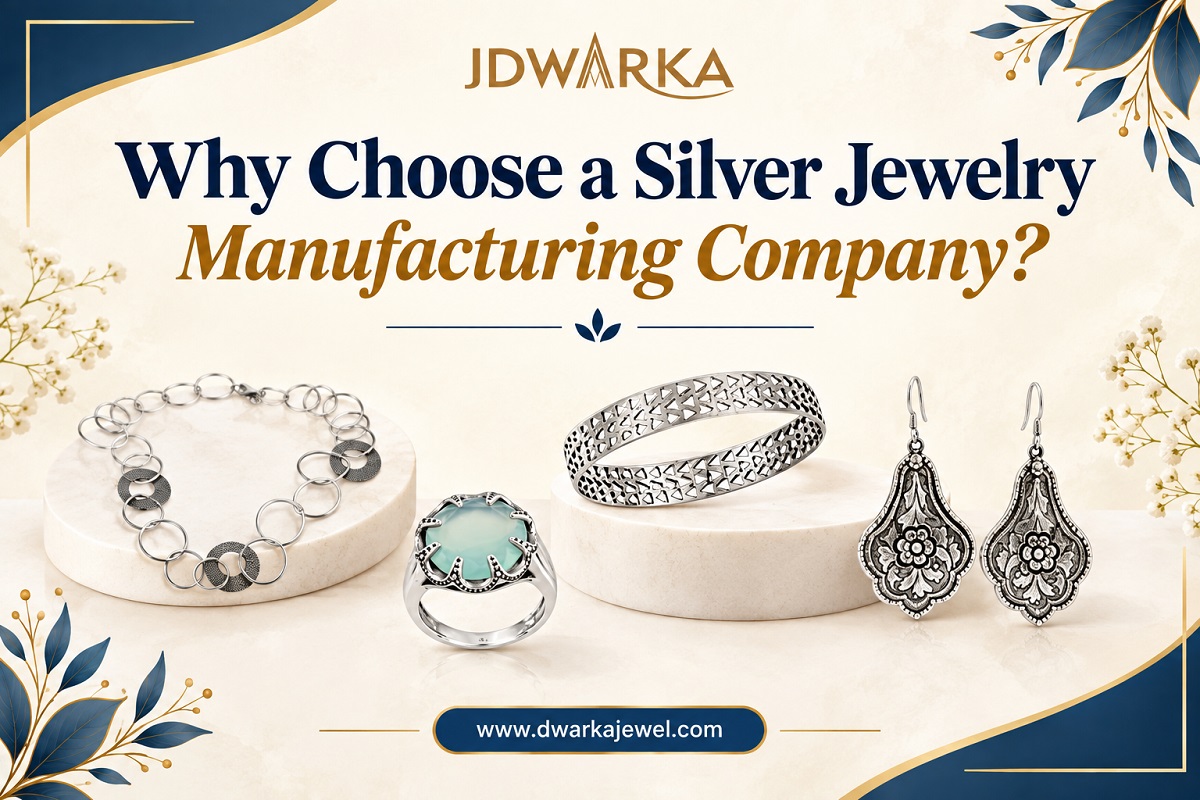
Silver jewelry has held a steady place in personal style and gifting for generations, and the businesses that supply it play a bigger role than most buyers realize. Before a ring or a pair of earrings ever reaches a store shelf, it passes through the hands of skilled workers, designers, and quality checkers who shape raw metal into something wearable. Understanding how this process works can help retailers, designers, and even individual buyers make better decisions about who they trust with their orders.
Understanding Manufacturing Company for Silver Jewelry
A Manufacturing Company for Silver Jewelry is essentially the backbone of the jewelry supply chain. It takes raw or refined silver and transforms it into finished pieces through casting, polishing, stone setting, and finishing work. These companies usually work with retailers, wholesalers, and independent designers who need consistent production at scale, rather than one piece at a time. The services offered typically include custom design support, bulk order handling, plating and finishing options, and quality testing before dispatch. For anyone running a jewelry business, this kind of partnership removes the burden of setting up an in-house workshop and instead lets them focus on sales, branding, and customer relationships.
Why Businesses Prefer Working with Manufacturers
Retailers and online sellers often choose to work with a dedicated manufacturer instead of producing jewelry themselves for a few practical reasons. Setting up casting equipment, hiring skilled artisans, and managing metal sourcing requires capital and time that many small businesses simply do not have. Manufacturers already have this infrastructure in place, along with experience handling different order sizes. This means a business can request a small trial batch or a large seasonal order without needing to change its own operations. It also means fewer delays, since manufacturers are used to working within production timelines that retailers depend on.
Role of Craftsmanship in Silver Jewelry
Machines can shape metal, but craftsmanship is what gives silver jewelry its character. Skilled artisans understand how to work with sterling silver’s softness, how much stone setting a band can hold without weakening, and how to finish edges so they feel smooth rather than sharp. This hands-on knowledge is passed down through years of practice and cannot be fully replaced by automation. A company that values craftsmanship usually produces pieces with fewer defects, better durability, and a finish that looks intentional rather than mass-produced. Buyers may not always notice this at first glance, but it becomes obvious over months of daily wear.
Popular Styles Buyers Look For
Trends in silver jewelry shift with fashion, but a few categories remain consistently in demand. Rings designed for everyday wear, particularly simple and sturdy Mens Bands Rings, continue to sell well because they suit both casual and formal settings. On the other end of the spectrum, buyers also look for Trendy Earrings Traditional in design, since these pieces blend cultural motifs with modern styling and appeal to people who want something that feels rooted yet current. A manufacturer that can produce both ends of this spectrum, from minimal bands to detailed traditional earrings, gives retailers more flexibility in building a varied catalog without switching suppliers.
Quality Standards and Certifications
Silver purity and finishing quality are not things a buyer can always judge by looking at a photograph, which is why certifications matter. Reputable manufacturers test their silver content and often stamp pieces with purity markings such as 925, indicating sterling silver standards. Beyond purity, quality checks usually cover things like weight consistency, stone setting security, and plating durability if the piece has a rhodium or gold finish. Businesses sourcing jewelry for resale should ask their supplier about these testing processes, since inconsistent quality can damage customer trust far more than a delayed shipment ever would.
Choosing the Right Partner for Your Business
Selecting a manufacturing partner is not just about price, though cost obviously matters for margins. It is worth looking at how a company handles communication, whether they provide samples before bulk production, and how they respond when something goes wrong with an order. A manufacturer that documents its process clearly and answers questions honestly, rather than promising unrealistic turnaround times, tends to be a safer long-term partner. It also helps to check whether they can scale production up or down based on seasonal demand, since jewelry sales often spike around festivals and wedding seasons.
Sustainability and Ethical Sourcing
Ethical sourcing has become a bigger conversation in the jewelry industry over the past decade, and silver is no exception. Buyers and businesses alike are asking more questions about where raw silver comes from and whether labor practices at production facilities are fair. Manufacturers that are transparent about their sourcing and that follow recognized labor and environmental standards tend to build stronger long-term relationships with retailers who care about their brand reputation. This is not just a marketing angle; it reflects a genuine shift in how the industry is expected to operate going forward.
Conclusion
Choosing the right jewelry supplier affects everything from product quality to how smoothly a business runs day to day. A dependable manufacturer brings craftsmanship, consistency, and flexibility that individual sellers often cannot replicate on their own. Whether the need is for simple everyday rings or more detailed traditional-style pieces, working with an experienced production partner makes it easier to meet customer expectations without constant guesswork. Taking the time to evaluate a manufacturer’s quality standards, communication, and sourcing practices before committing to an order is a small step that tends to pay off over the long run.
Frequently Asked Questions (FAQs)
Que. What should I check before selecting a silver jewelry manufacturer?
Ans. Look at their quality testing process, sample availability, purity certification, and how clearly they communicate about timelines and pricing before placing a bulk order.
Que. How is sterling silver different from pure silver in jewelry making?
Ans. Pure silver is too soft for regular wear, so it is mixed with a small percentage of other metals, usually copper, to create sterling silver, which is more durable and commonly used in jewelry.
Que. Can small businesses order custom designs in low quantities?
Ans. Many manufacturers do accept smaller trial orders or custom designs, though minimum order requirements vary, so it is best to confirm this directly before finalizing a design.
Que. Why does jewelry finishing, like rhodium plating, matter?
Ans. Finishing options like rhodium plating add a protective layer that helps prevent tarnishing and gives the piece a brighter, longer-lasting shine, especially for daily wear items.
Que. How long does bulk jewelry production usually take?
Ans. Timelines depend on order size and design complexity, but most manufacturers provide an estimated production schedule upfront so businesses can plan their inventory accordingly.