
How Do Wholesale Custom Jewelry Suppliers Ensure Quality?
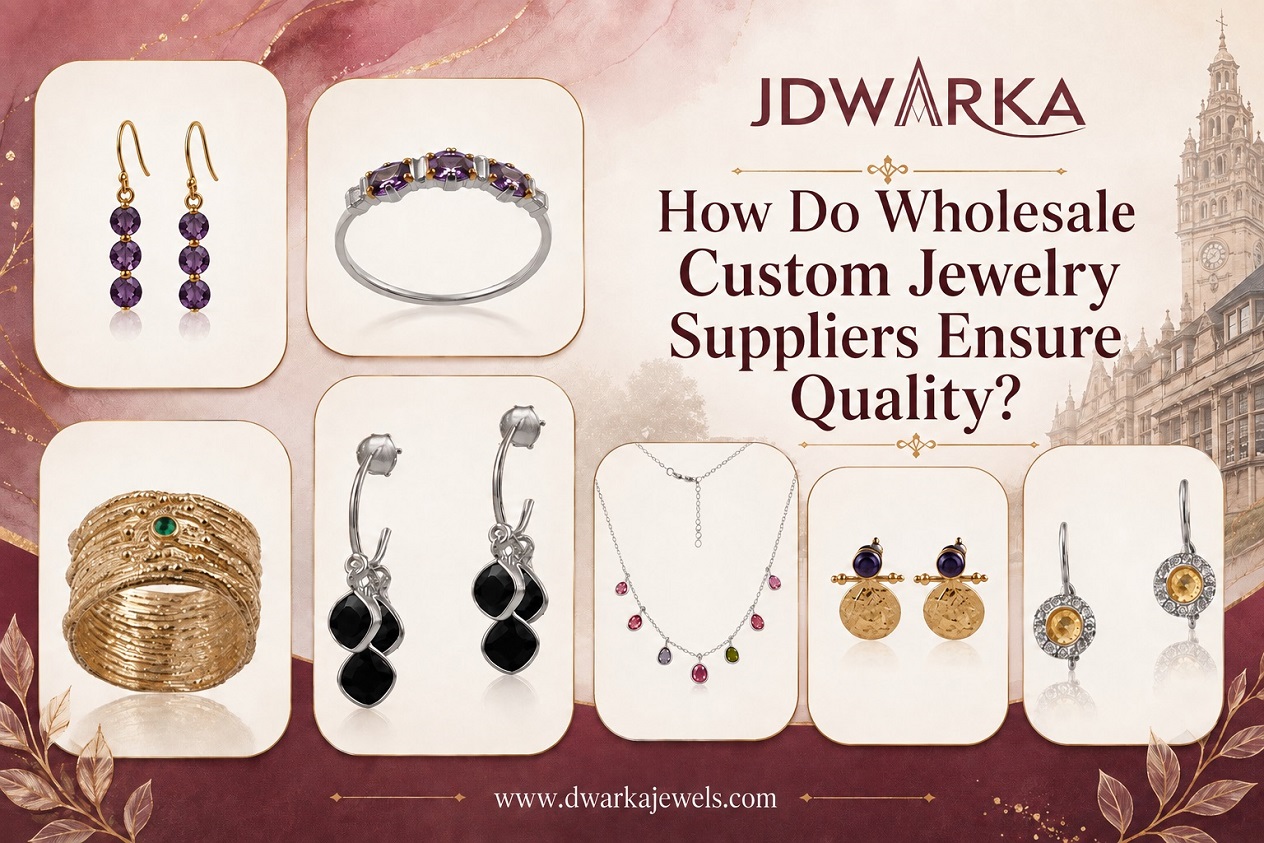
Most jewelry buyers never see what actually happens before a ring or a pair of earrings lands in their display case. There’s a long list of decisions behind it – metal purity, stone grading, how the piece gets finished – and for anyone buying in bulk, those decisions carry extra weight. One small flaw in a sample can turn into hundreds of flawed units if nobody catches it in time. So how does a Wholesale Custom Jewelry supplier actually keep that from happening? It comes down to a handful of habits that get repeated at every stage, not one single fix.
Why Quality Checks Start Long Before Production
It’s tempting to think quality control is something that happens at the end, right before boxes get shipped out. In reality, it starts much earlier – at the design and sample stage. Before a factory commits to producing hundreds of units, a good manufacturer will send a prototype for approval first. This gives the buyer a chance to catch a sizing issue or a design flaw while it’s still cheap to fix. Skip this step, and you might not find out about a problem until an entire batch is already sitting in a warehouse.
Getting the Raw Materials Right
Here’s something a lot of buyers don’t realize: metal purity is easy to fake and hard to spot just by looking. That’s why serious manufacturers test incoming silver, gold, and brass for alloy composition before any cutting or casting starts. Gemstones go through their own screening too, checked against agreed standards for clarity, color, and cut. Skip this testing, and you end up with pieces that tarnish fast or lose stones within a few months – the kind of thing that leads to angry customers and returned inventory.
Sterling Silver Ring for Men – What Sets This Category Apart
A Sterling Silver Ring for Men isn’t the easiest thing to manufacture consistently. Men’s rings tend to have thicker bands, bolder settings, and they take more of a beating day to day than lighter fashion pieces do. Suppliers who work in this category usually run extra checks – silver density, band strength, resistance to scratching – before a design ever gets approved for a full production run. Polishing and rhodium plating happen under controlled conditions so the finish doesn’t come out patchy, and each ring gets weighed to make sure buyers aren’t receiving a mismatched batch where some rings feel noticeably heavier or lighter than others.
Fashion Earrings Supplier – Managing Variety Without Losing Consistency
A Fashion Earrings Supplier deals with a completely different kind of challenge: sheer variety. Trends shift fast, and a single seasonal collection can include dozens of styles – studs, hoops, drops, all in the same order. Keeping quality steady across that much variation isn’t simple. Most suppliers handle it by standardizing the parts that matter most behind the scenes, like clasp mechanisms and plating thickness, no matter how different the styles look on the outside. That way, someone buying a trendy hoop earring gets the same build quality as someone buying a plain stud.
Checking Quality While Production Is Still Happening
Good facilities don’t wait until a piece is finished to check it. Inspectors look at pieces after casting, again after stones are set, and once more after polishing. Catching a defect mid-process means it can be corrected without scrapping everything that came before it, which keeps both costs and delivery timelines under control. If you ever get the chance to ask a supplier about this, their answer tends to say a lot about how seriously they take consistency.
Final Check Before Anything Ships
Right before an order leaves the warehouse, finished pieces usually go through one more round of checks. Someone looks them over for scratches or discoloration, verifies the weight matches the spec sheet, and tests that clasps and hinges actually work the way they’re supposed to. Some suppliers go a step further and pull a random sample from each batch just to confirm it still matches the original approved piece. It’s a small step, but it catches the things that slipped through earlier.
Certifications and Where the Materials Actually Come From
Quality isn’t only about how a finished piece looks or holds up over time – it’s also about how it got made in the first place. Conflict-free gemstone certification and responsible metal sourcing used to be a nice-to-have; now buyers expect it as standard. Retailers are increasingly asking for paperwork that proves materials were sourced responsibly, and suppliers who can produce that documentation without a fuss tend to end up with longer, steadier partnerships. It also protects retailers themselves, since customers are far more likely today to ask questions about where their jewelry actually comes from.
Packaging Matters More Than People Assume
A perfectly made piece can still arrive damaged if the packaging was an afterthought. Good manufacturers use anti-tarnish pouches, sturdy boxes, and padded inserts so nothing gets scratched or bent in transit. Storage matters too – silver especially tarnishes faster when it sits somewhere humid for too long before shipping. None of this is glamorous, but it’s the last line of defense protecting everything that got done right earlier in the process.
What to Ask Before You Place a Bulk Order
If you’re sourcing in bulk, don’t be shy about asking suppliers direct questions – how they test materials, what their defect rates look like, what happens if something goes wrong. A supplier who’s confident in their process usually won’t hesitate to walk you through it. It’s also worth asking for a physical sample before committing to a large order. Photos can hide a lot; they won’t tell you how heavy a piece feels or whether the finish looks off in person. That one extra step tends to save a lot of trouble later.
Conclusion
Consistent quality in bulk jewelry production isn’t about one magic checkpoint – it’s careful sourcing, checks at multiple stages, ethical practices, and packaging that actually protects the product. A dependable Wholesale Custom Jewelry partner treats all of this as routine, not as extra effort. And for retailers, asking the right questions upfront, along with requesting samples before committing to a big order, remains one of the easiest ways to avoid costly surprises down the line.
Frequently Asked Questions (FAQs)
Que. How do I know if a supplier actually tests materials before production?
Ans. Just ask them directly. A supplier who’s serious about quality can explain their process for checking metal purity and gemstone grading without hesitation.
Que. Why does sample approval matter for bulk orders?
Ans. It catches sizing or design problems early, before they spread across an entire production run – fixing one sample is a lot cheaper than fixing hundreds of finished pieces.
Que. What makes men’s silver rings harder to manufacture consistently?
Ans. Thicker bands and heavier settings mean durability testing and weight consistency matter more than they would for lighter, more delicate designs.
Que. How do suppliers maintain consistent quality across so many earring styles?
Ans. By standardizing the parts buyers don’t see, like clasps and plating thickness, even when the visible designs vary a lot from piece to piece.
Que. What should I ask for before committing to a large wholesale order?
Ans. Request physical samples, ask about defect rates, and get documentation on ethical sourcing before you place a bulk order.